Open vs Enclosed Car Transport: Which is Better?
18 April 2026
Transporting a vehicle is no longer just about moving it from one place to another—it's about safety, cost-efficiency, and peace of mind. One of the most common decisions customers face is choosing between open vs enclosed car transport.
If you're unsure which option is right for your vehicle, this guide breaks down everything—from pricing and protection to real-world use cases—so you can make an informed decision.
What Is Open Car Transport?
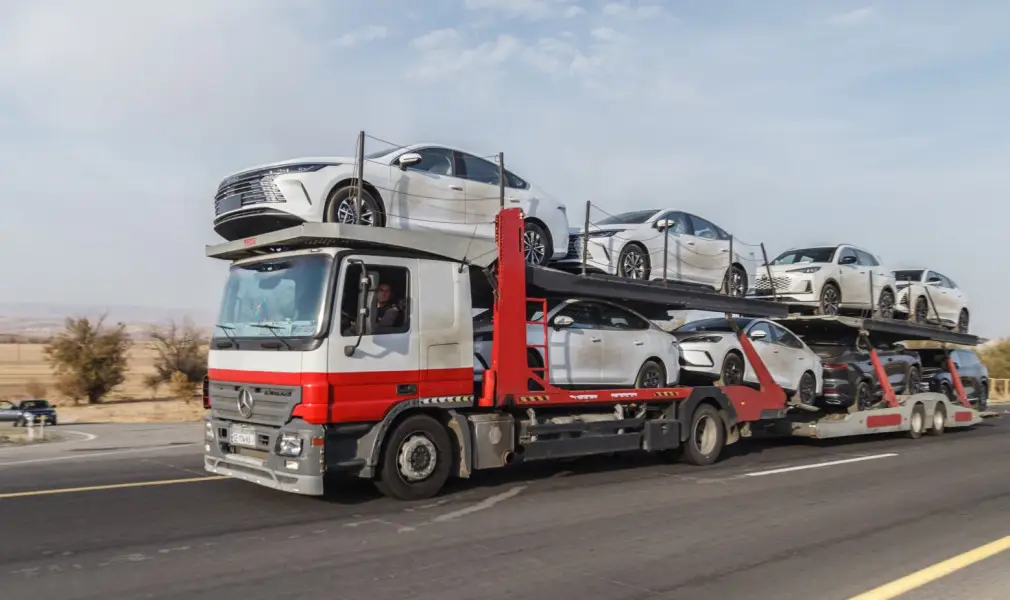
Open car transport is the most widely used method for shipping vehicles. You've probably seen these carriers on highways—multi-level trailers transporting several cars at once.
Key Features of Open Car Transport
- Vehicles are transported on open trailers
- Can carry multiple cars (8-10 vehicles)
- Most cost-effective option
- Widely available across routes
Best For:
- Daily-use vehicles
- Budget-conscious customers
- Standard sedans, hatchbacks, SUVs
What Is Enclosed Car Transport?
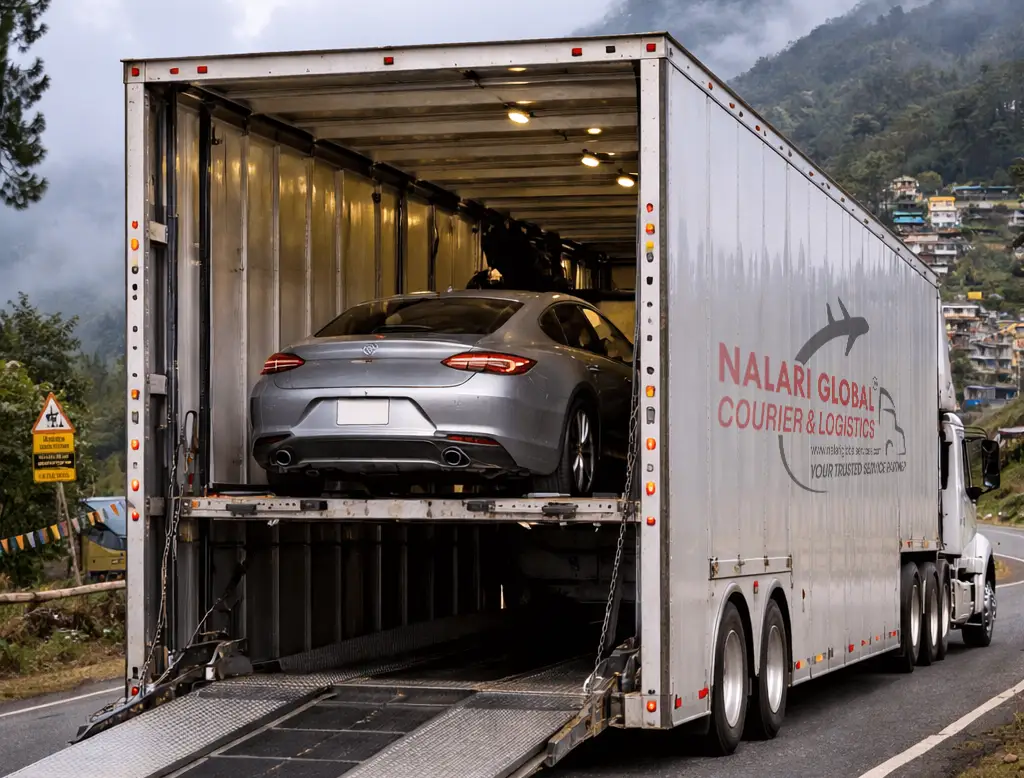
Enclosed car transport uses fully covered trailers that protect vehicles from external elements such as weather, dust, and road debris.
Key Features of Enclosed Car Transport
- Fully covered carriers
- Limited vehicles (2-6 cars)
- Premium handling and care
- Higher cost due to exclusivity
Best For:
- Luxury or high-end vehicles
- Vintage and classic cars
- Sports cars or modified vehicles
Open vs Enclosed Car Transport: Key Differences
Let's break down the major factors when comparing open vs enclosed car transport:
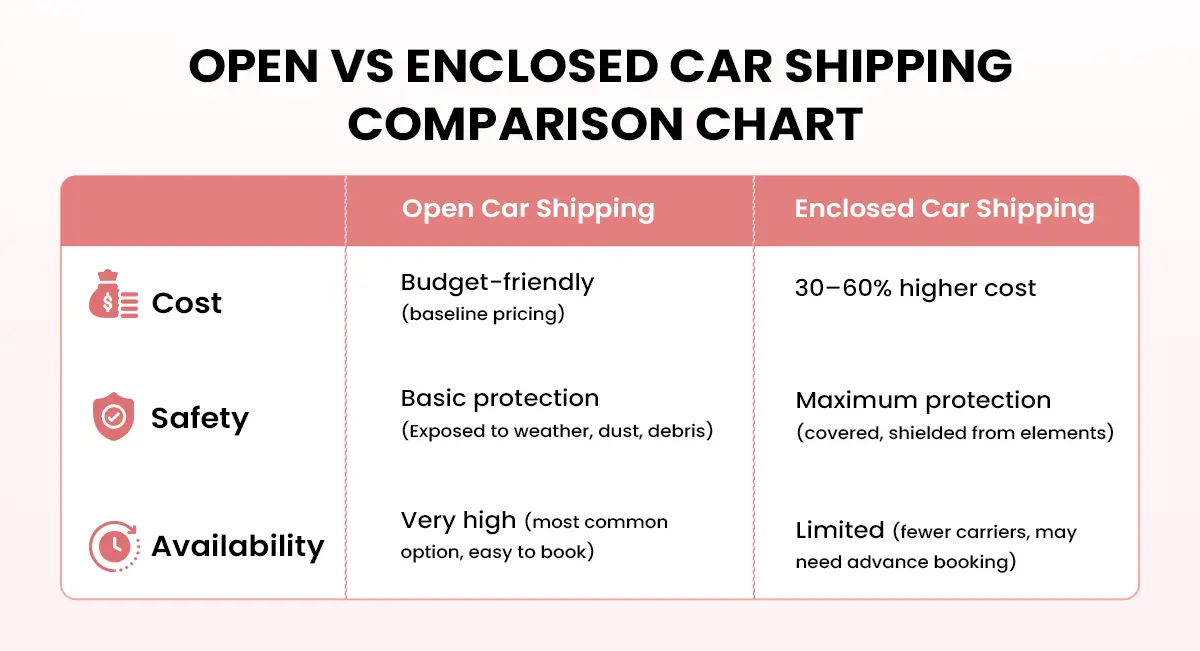
Cost Comparison: What Are You Really Paying For?
Cost is often the first deciding factor when comparing open vs enclosed car transport, especially if you’re planning within a specific budget.
Open car transport is more affordable because multiple vehicles are shipped together on a single trailer. This reduces the overall cost per vehicle, making it ideal for everyday use. In well-connected areas like Happy, customers often benefit from better route availability, which further lowers pricing and speeds up scheduling.
In contrast, enclosed car transport can cost 30-60% more. This is because it carries fewer vehicles, offers premium protection, and operates with limited availability.
Why does enclosed transport cost more?
- Lower vehicle capacity (2-6 cars)
- Higher operational and handling standards
- Better insurance coverage
- Limited carrier availability
Understanding regional pricing is equally important, as transport costs can vary based on location and route demand—something clearly reflected in Courier Charges in Shillong: Complete Price Guide 2026, where pricing structures are broken down in detail.
Practical takeaway: If budget is your priority, open transport is the better option. But if your vehicle is valuable, enclosed transport is a smart long-term investment.
Protection Level: How Much Safety Does Your Car Need?
The biggest difference in open vs enclosed car shipping comes down to exposure versus protection.
With open car transport, vehicles are exposed to:
- Weather conditions like rain and sunlight
- Dust and road debris
For most vehicles, this level of exposure is completely manageable. However, in slightly busier or exposed areas such as Dhankheti, environmental factors like dust and traffic conditions can increase the chances of minor wear during transit.
On the other hand, enclosed car transport provides a fully covered environment, protecting your vehicle from all external elements. This is especially beneficial for:
- Luxury vehicles
- Newly purchased cars
- Cars with premium paint finishes
Expert insight: If even minor exposure could affect your vehicle's condition or value, enclosed transport offers unmatched protection and peace of mind.
Availability & Scheduling: How Quickly Can You Ship?
Availability can significantly impact your decision, especially if you need quick transport.
Open carriers are widely available across most routes, which means:
- Faster booking
- Shorter waiting times
- More flexible scheduling
This is particularly beneficial in areas like Mawlai Mawroh, where customers often prefer quick and cost-effective solutions without long waiting periods.
In contrast, enclosed carriers are fewer in number and may require advance booking, especially during peak demand.
Practical takeaway: If your shipment is urgent, open transport is usually the faster and more accessible option.
Vehicle Safety: Which Option Minimizes Risk?
Both transport methods are considered safe, but enclosed car transport offers an extra layer of security.
Why enclosed transport reduces risk:
- Fewer vehicles per shipment
- Less loading and unloading
- Controlled environment during transit
This becomes especially important when transporting vehicles from areas like Upper Shillong, where weather conditions such as rain or fog can increase exposure risks during transit.
Open car transport, while safe, involves:
- More vehicles per trailer
- Slightly higher exposure to external conditions
Reality check: For most standard vehicles, open transport is reliable. But for high-value or delicate vehicles, enclosed transport helps minimize even small risks.
Insurance Coverage: Are You Fully Protected?
Insurance is a crucial factor when choosing between open vs enclosed car transport, yet it's often overlooked.
- Open transport services include standard insurance coverage suitable for regular vehicles
- Enclosed car transport services typically offer higher insurance limits, as they handle high-value cars
Why Insurance Coverage matters:
- Better coverage for expensive vehicles
- Higher claim protection
- Added peace of mind during long-distance transport
Pro tip:
Always confirm:
- Insurance coverage amount
- What damages are included
- Claim process and conditions
This level of due diligence is essential when selecting a provider, similar to the factors discussed in How to Choose the Best Car Transport Service in Shillong, where service quality and reliability are explained in detail.
Which Option Is Better for You?
Choosing between open vs enclosed car shipping depends on your specific needs:
Choose Open Car Transport If:
- You want a budget-friendly solution
- Your vehicle is standard or moderately priced
- You need quick availability
Choose Enclosed Car Transport If:
- You own a luxury, classic, or exotic car
- You want maximum protection
- You're okay with paying a premium
Real-World Scenario: What Most Customers Choose
In real-world logistics, over 80% of customers choose open car transport because:
- It's cost-effective
- It's reliable for everyday vehicles
- It offers faster delivery timelines
However, businesses and collectors often prefer enclosed transport for high-value shipments.
Cost Breakdown Example
Here's a rough comparison:
| Transport Type | Estimated Cost (India) | Best Use Case |
|---|---|---|
| Open Transport | ₹5,000 - ₹15,000 | Standard vehicles |
| Enclosed Transport | ₹12,000 - ₹35,000 | Luxury/high-value cars |
Prices vary based on distance, vehicle size, and location.
Factors That Influence Your Decision
When evaluating open vs enclosed car transport, consider:
Vehicle Value
Higher-value cars demand better protection.Distance
Long-distance transport increases exposure risk—enclosed may be better.Weather Conditions
Shipping during monsoon or extreme weather? Go enclosed.Urgency
Need quick transport? Open carriers are more available.
How to Choose the Right Car Transport Service
Even the best transport type won't matter if you choose the wrong provider.
Before booking, check:
- Customer reviews
- Insurance coverage
- Service areas
- Transparent pricing
Location-Based Pricing Matters
Transport costs can vary significantly depending on location.
For example, if you're shipping within or from Shillong, pricing structures differ due to:
- Terrain conditions
- Distance from major logistics hubs
- Demand fluctuations
Common Myths About Car Transport
Myth 1: Open Transport Is Unsafe
Reality: It's widely used and safe for most vehicles.
Myth 2: Enclosed Transport Is Always Necessary
Reality: Only needed for high-value or sensitive vehicles.
Myth 3: Higher Cost Means Faster Delivery
Reality: Enclosed transport can actually take longer due to limited availability.
Pros and Cons Summary
Open Car Transport
Pros:
- Affordable
- Faster availability
- Widely used
Cons:
- Exposure to external elements
Enclosed Car Transport
Pros:
- Maximum protection
- Premium handling
- Higher insurance coverage
Cons:
- Expensive
- Limited availability
Expert Recommendation
From an industry standpoint, the choice between open vs enclosed car transport should always be value-driven, not fear-driven.
- If your car is functional, go with open transport.
- If your car is valuable or emotional, choose enclosed transport.
Professional logistics providers often recommend open carriers unless there's a specific risk factor involved.
Conclusion: Which Car Transport Option Should You Choose?
If you're transporting a regular car and want a cost-effective, reliable solution, open car transport is the most practical option. It's widely used, easily available, and trusted for everyday vehicle shipping needs.
On the other hand, if your vehicle is high-value, luxury, or holds sentimental importance, investing in enclosed car transport provides added protection and peace of mind—especially for long-distance or weather-sensitive routes.
In real-world scenarios, most customers prefer open transport for its affordability, while enclosed transport is chosen for premium care and security.
Final suggestion:
Choose based on value, not fear. If your car can handle normal road exposure, go with open transport. If even minor risks are unacceptable, enclosed transport is the better investment.